
Faces and portraits

Give Diverse Voices a Stage: Women in Trade

Faces and portraits

Give Diverse Voices a Stage: Women in Trade

Each year, International Women’s Day reminds us that diverse perspectives, open conversations and truly listening to each other are more than just values – they drive good decisions and successful business. This year’s initiative, “Give Diverse Voices a Stage,” invited women across NKG to apply to represent the company at the Women in Tea & Coffee Conference in London. In total, 28 inspiring colleagues shared their experiences, ideas and contributions.

It showed us two things: there is still room to grow, but many of these voices are already shaping our everyday reality. Especially in trade, our core business, their impact is often just less visible. We spoke to Agnieszka Thieleke, Senior Trader Bernhard Rothfos, and Victoria Kigo, Junior Trader Ibero Uganda, whose perspectives help bring trading to life – from an exporter’s and an importer’s point of view.

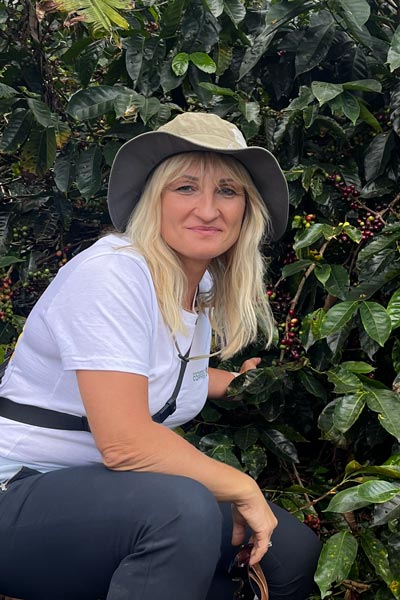
introducing Agnes

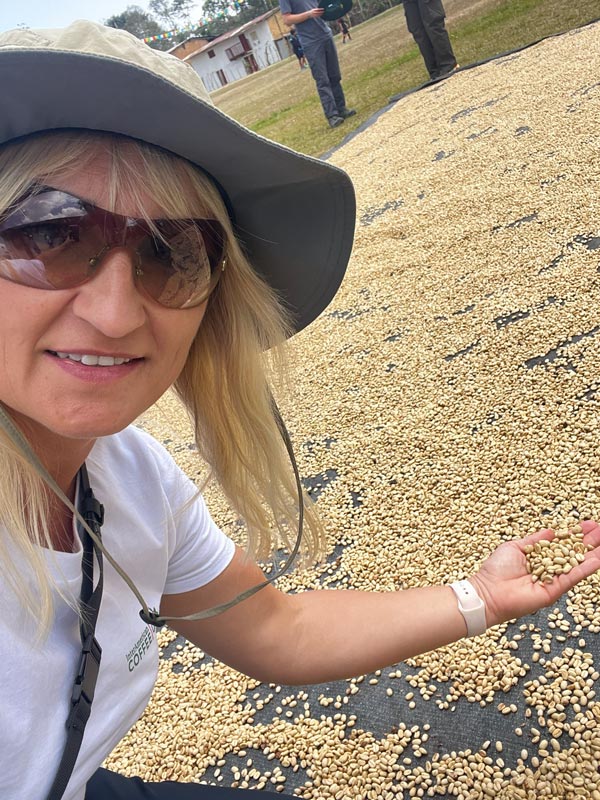
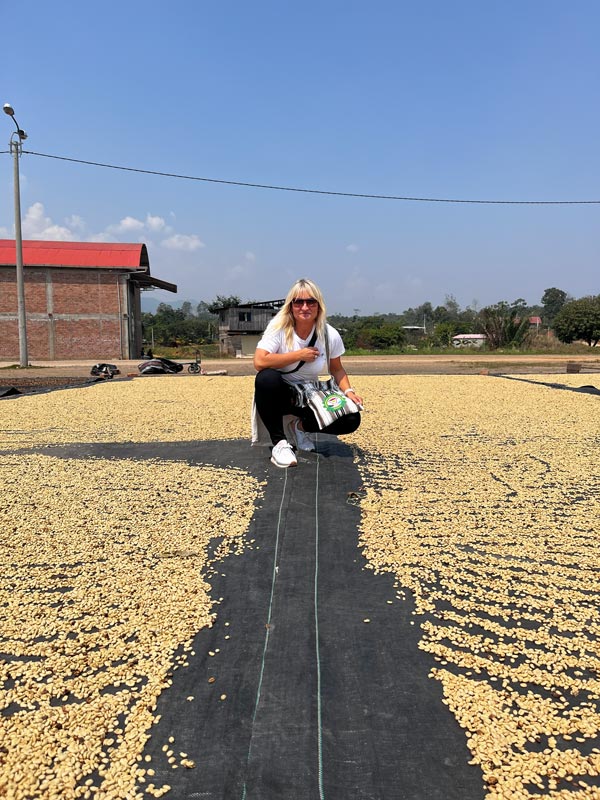
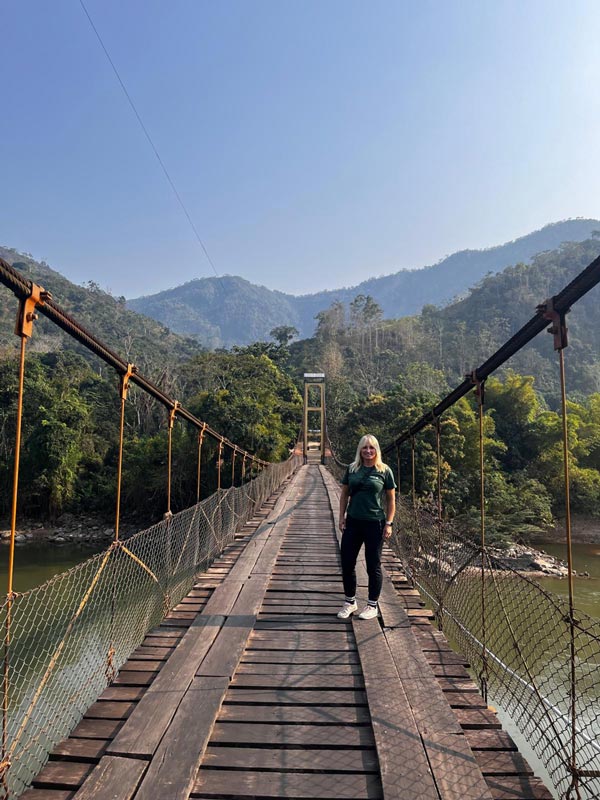
For Agnes, working in coffee trading is way more than a job: it’s a real passion. Working with people, especially producers, and traveling to origin turned coffee into something she genuinely cares about. Since her apprenticeship, Agnes always knew she wanted to work in trading and – after starting on the futures desk first – knows trade is the right place for her ever since she got the chance to fully move into trading. Within her 10 years with NKG, she started at the specialty segment with InterAmerican Coffee and just moved to Bernhard Rothfos at the beginning of this year.

“If you know how to handle your emotions, they can be a strength in trade. Being able to read situations, people, and dynamics, and trusting your instinct, can make a real difference.”

“Don’t be afraid to be a bit pushy sometimes. You don’t always have to hold back or wait until everything feels perfect. If you truly have passion for the product, just go for it!”

Agnieszka Thieleke

What do you trade, and how would you describe your role to someone outside the coffee trade world?

Agnes:
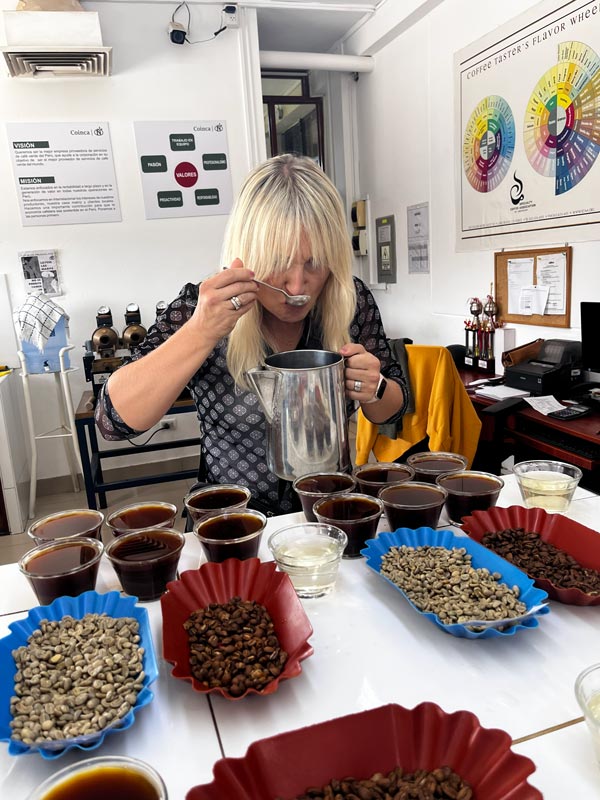
I trade green coffee, a natural product, which already comes with a lot of complexity. I’m mainly responsible for sales, managing key accounts and staying in close exchange with teams across purchasing, quality, and logistics. On top of that, I handle sourcing from Peru for specific projects and take care of the full Peru procurement for our sister company InterAmerican Coffee.

Victoria:
I’m a coffee trader, mainly focusing on Arabica. I’m involved in coffee procurement, quality and risk management, while ensuring client satisfaction through pricing, quality, and timely delivery.

While their roles differ, both describe risks and challenges very similarly: as very interconnected. Besides dealing with concrete topics like price volatility, timing, quality and compliance, in trading, they also have to consider geopolitics, climate change and even rumors that can move the market.

Is there anything you wish the exporter/importer understood better about your job?

Agnes:
Trading is not just pushing numbers. It’s constant pressure, quick decisions, and dealing with things that are often out of your control. And at the same time, we all depend on each other along the chain. If that trust is not there, the whole system just doesn’t work.

Victoria:
Yes. Coffee trading requires flexibility due to factors outside our control, such as delayed harvests or stock being held by farmers and traders, which can impact shipment timelines.

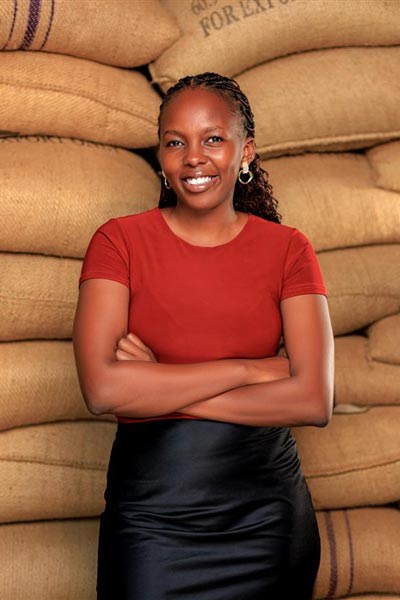
Introducing Victoria

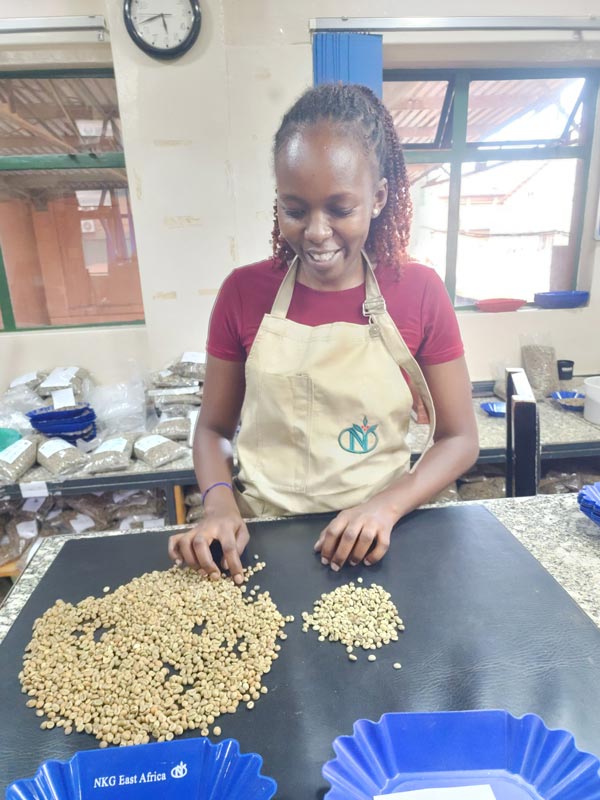
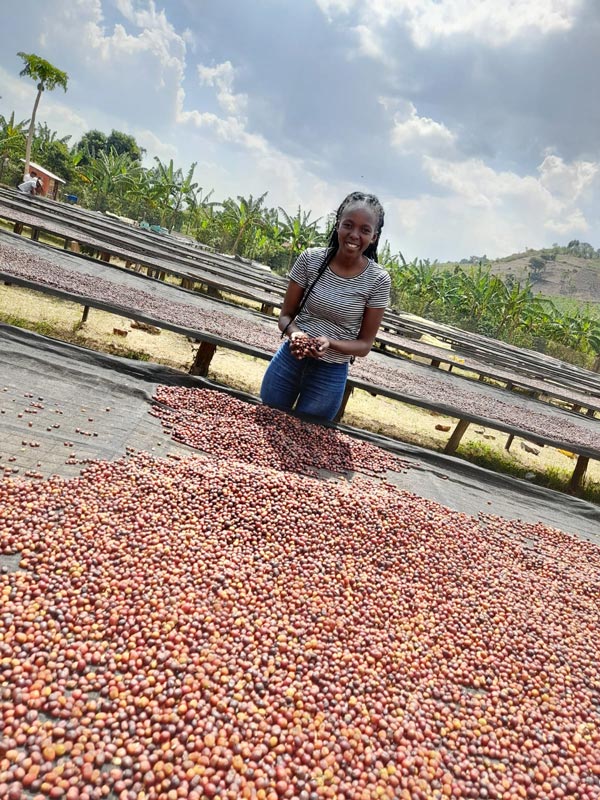
Starting her career as a Trade Administrator, Victoria was fascinated by the whole coffee journey from farm to cup. While working at NKG for five years, first at Ibero Kenya, afterwards at Ibero Uganda, she developed her interest in Trade over time by observing the traders discuss market movements, pricing decisions, and risk management.

“I never imagined I would be here as the first female trader in East Africa. When I looked at the trade team, it was mainly men, which motivated me even more to understand trade and represent other women who aspire to be in similar roles.”

“My advice to other women considering this career is simple: don’t be afraid to show up, and make your voice heard.”

Victoria Kigo

If you could change one stereotype about women in trade, what would it be?

Agnes:
That women are less tough or not made for pressure. That’s simply not true, I honestly see the opposite quite often in daily business. There are even studies showing how important diversity is. I believe that passion, intuition, and also a bit of heart doesn’t make you weaker, they actually help you take very strong and sometimes even better decisions, especially in trading.

Victoria:
That women are not suited for trading roles due to the responsibility and time demands. Trading is not defined by gender, but by skill, discipline, and mindset.

My reporting managers have been key mentors, guiding me from learning how to draft my first emails to developing the confidence to make independent trading decisions.

What would you like to see change for women in trade?

Victoria:
I would like to see more flexibility that allows women to balance full-time work with being present in their personal lives.

When you think back to the start of your career, what feels different today in terms of culture and collaboration at NKG – is that change also visible in trade, especially for women?

Agnes:
The change is real, and you can clearly see it. When I started, coffee trading was very much a male-dominated world. Now, 26 years later, there are so many strong women, whether in buying, selling, or at events. Within NKG, a lot has changed as well: more women in leadership and in trade, more visibility, even at board level. What I personally find especially inspiring is seeing more women in trading roles at origin. I visited women-led farms in Peru last year, and it was amazing to see how confidently they run everything. That really stayed with me.

Leave a Reply

Your email address will not be published. Required fields are marked *

Further Articles

Coffee on the Move: Facts in a Nutshell

Coffee travels a long way before it reaches Europe. From harvest to arrival, Arabica coffee spends up to 90 days on the move — mostly at sea, across continents and ports. Explore the key facts and timelines behind one of the world’s most traded commodities.

Read More »

Three by Three Questions: The many steps and challenges behind a single coffee trade

While “a coffee trade” may sound straightforward, it actually involves complex processes, numerous participants, and unique challenges. In this episode of our ‘Three Times Three Questions’ series, we interview key professionals from the import, logistics, and export sectors. Through their insights and real-life stories, we uncover how their contributions keep the coffee business running smoothly and highlight examples of overcoming obstacles through collaboration and teamwork.

Read More »