
From Farm to Shipment

Where Coffee begins

Inside NKG MAG Issue #44

WELCOME Everyone!

Get ready to explore a new series starting at the beginning of the coffee journey!

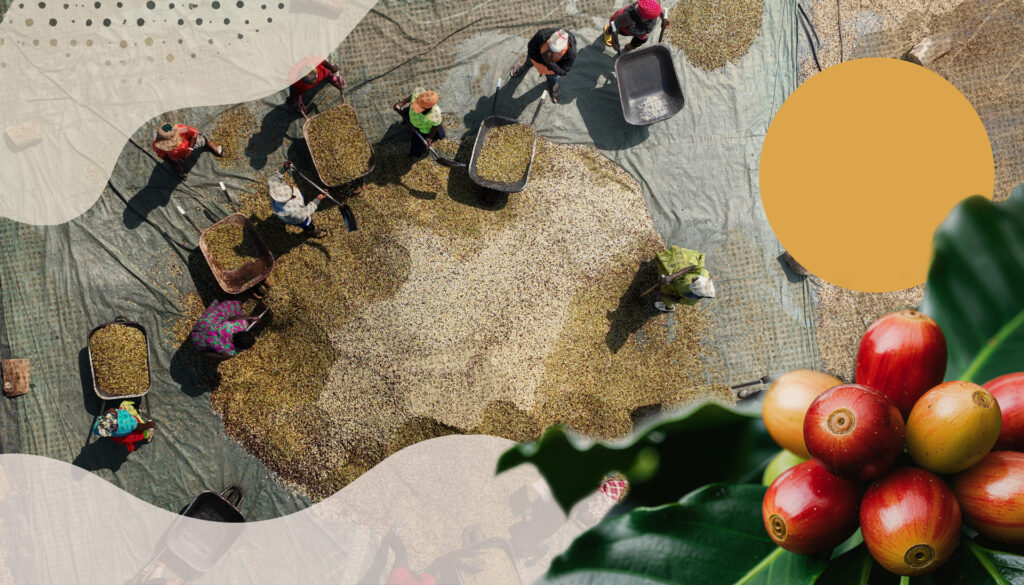
With this new issue, we are launching a new magazine series covering NKG’s full coffee supply chain and all the work we do, starting with our first part today – From Farm to Shipment: Where Coffee begins. We take you to the roots of coffee and uncover the fascinating steps that happen long before the beans reach a roastery or your cup.

And there is something else that makes this issue extra special: for the first time, all articles are available as audio versions! So whether you’re on the go, taking a break, or simply prefer listening, you can enjoy the MAG anytime, anywhere.

Now, dive in and explore some new and exciting perspectives on the coffee’s journey. We really hope you like these stories as much as we enjoyed creating them!

Wishing you a joyful festive season, a wonderful start to the new year, and a fantastic close to this one!

Warm regards,
Your Group Communications Team

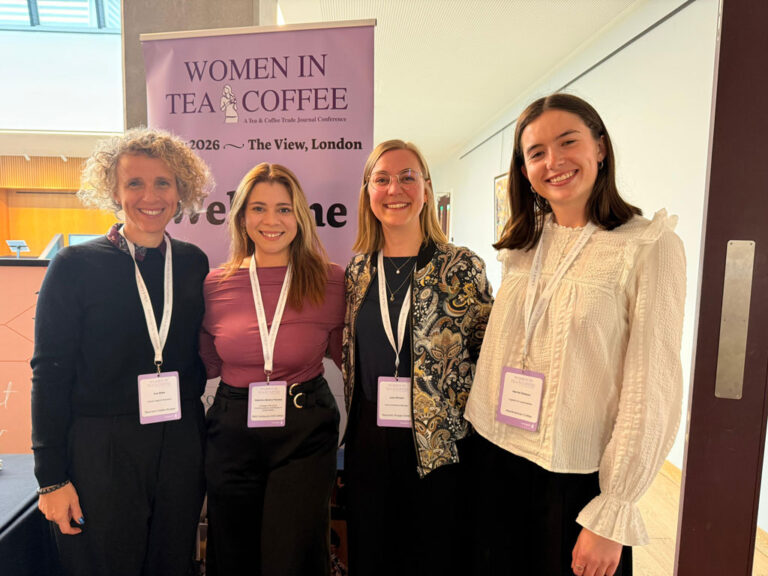
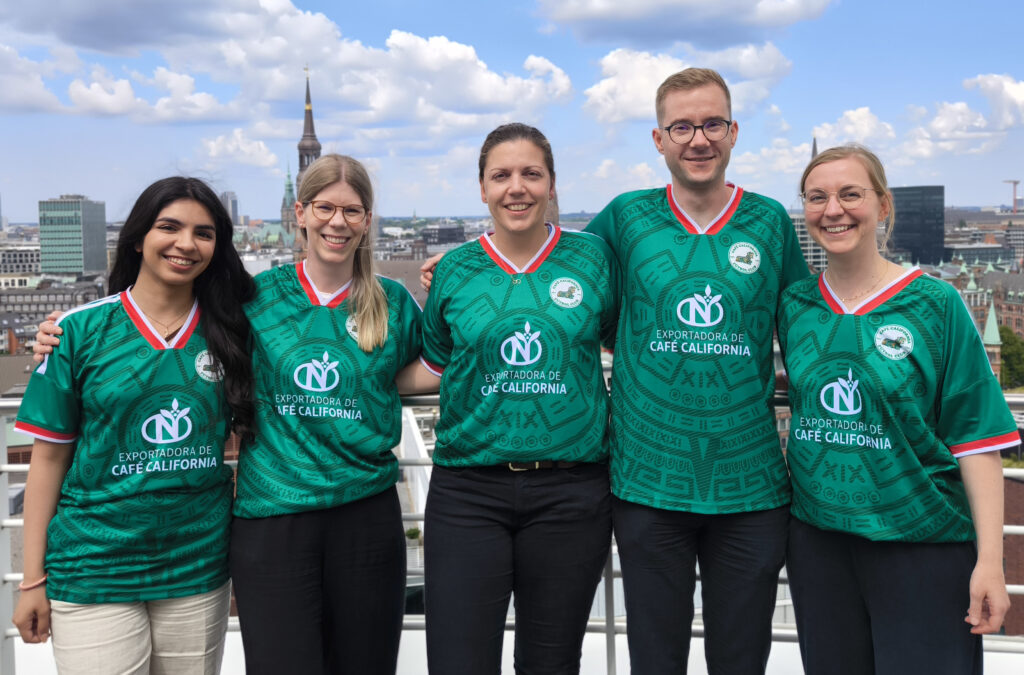
From left to right: Julia, Lena, Nina and Benjamin.

FACES & PORTRAITS

From NKG Integrity Champion to NKG O.S.C.A.R.:
Regina Monserrat

Starting this edition, we’re proud to introduce a new title for those who go above and beyond in promoting ethical conduct and responsibility: the O.S.C.A.R. – Outstanding Supporter of Compliance and Responsibility.
The first winner is Regina Monserrat from NKG Fazenda da Lagoa.

NKG Holding “who is who”:
Introducing NG Insurances

Neumann Gruppe in Hamburg consists of departments with a diverse variety of functions and competencies, which both serve the general strategic orientation of NKG and provide specific support for the group companies. In our INSIDE NKG MAG we want to look at what competencies exist in the holding company, for whom these could be helpful and interesting, who is responsible for what, and a lot more. In this issue we would like to introduce NG Insurances.

BEHIND THE SCENES

At a Glance

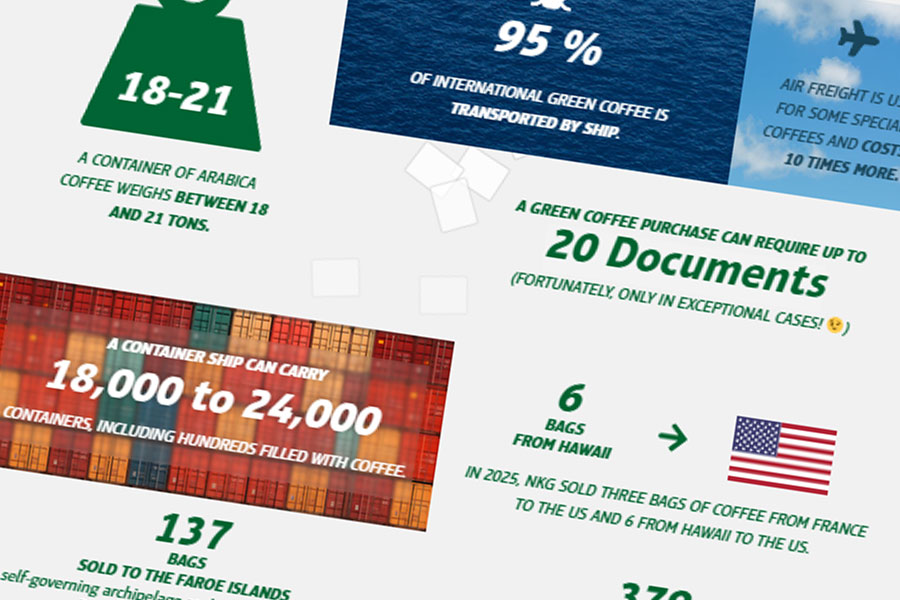
From lush plantations to your morning cup, coffee has a fascinating journey. Explore surprising facts, global production trends, and the secrets of Arabica and Robusta—all presented in a clear, visual way. Your ultimate coffee knowledge hub starts here!

OUT OF THE BOX

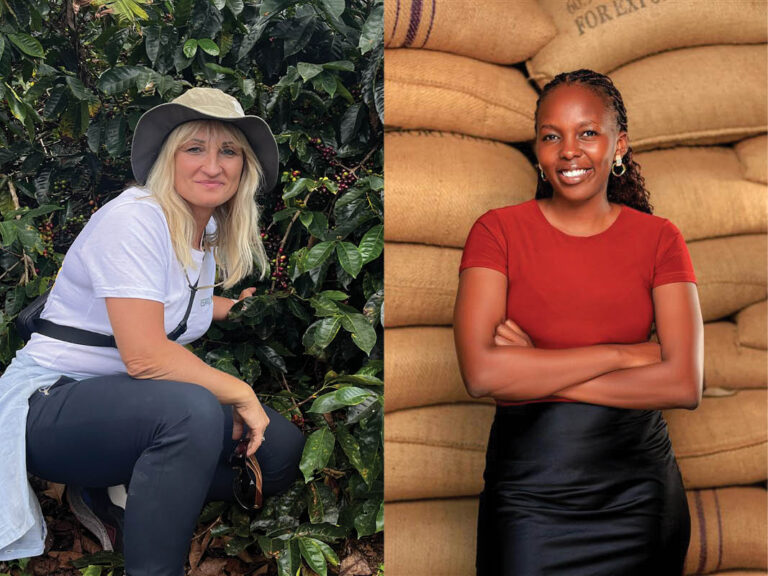
From seed to shipment, women play a vital yet often underrepresented role in the global coffee supply chain. Whether in the fields, in quality control, or in advocacy work, their contributions shape the future of coffee in meaningful ways. In this issue, we speak with three women from different position in the supply chain: a sustainability specialist working directly with farmers, a green coffee trader navigating international markets, and a representative of an organization that empowers women in coffee-growing communities. Each brings her own distinct perspective, offering female insights into the world of coffee. 

IT'S YOUR TURN!

This time, you can embark on a search in “Search the seedling!” A photo of a seedling is hidden on various pages of our MAG. Find all the seedlings and tell us which articles you found them in.


We are giving away a practical, multifunction tool to one lucky winner who answers correctly. The FRILUFTS Hamnoy Multitool has 11 different functions, so you’ll always be prepared for practical use on the go. Among other things, it contains scissors, a screwdriver, a can opener, and a bottle opener.

We all work for a company that deals exclusively with coffee. But let’s be honest – we sometimes still have questions about our favorite product, and maybe we kind of missed the moment in the beginning to ask them. After all, we work for a COFFEE COMPANY, and nobody wants to admit gaps in their knowledge. 😉 But don’t worry, that’s what we’re here for, because we’ve compiled a list of questions you might never ask.

No, decaf coffee still contains a small amount of caffeine – usually between 0.1% and 0.3%. That’s about 2–5 mg per cup compared to 70–120 mg in regular coffee.

The European Food Safety Authority recommends a maximum of 400 mg of caffeine per day for adults – that’s about 4–5 cups of filter coffee. More than that can lead to nervousness, sleep problems, or heart palpitations.

Caffeine can cause mild dependence, but it’s not comparable to nicotine or alcohol. Regular heavy coffee drinkers may experience headaches or fatigue when they stop, but these symptoms disappear after a few days.

This old belief is outdated. Coffee does have a mild diuretic effect, but the liquid in coffee compensates for that. It counts toward your daily fluid intake.

Not necessarily. The price depends on many factors, like origin, processing, and marketing. Expensive coffee can indicate quality and fair conditions, but taste is subjective, even affordable coffee can be excellent.

Organic means no synthetic pesticides or fertilizers, which is good for the environment and health. But “sustainable” also includes social aspects like fair wages. Organic is a step forward, but not the full picture.

Because coffee is incredibly versatile! Flavor depends on grind size, water, temperature, and time. There’s no single “best” method – it’s all about personal taste. Espresso, filter, cold brew – they all have their own character.

No, coffee plants are evergreen.

Coffee plants start producing their first yields after three to four years. They reach their maximum production volume after six to eight years. After around 20 years, the tree produces hardly any significant yields and is then removed.

Espresso beans and beans for filter coffee differ only in the strength of the roast and the grind. Beans with low acidity are often used for espresso blends, and these beans can also be used for filter coffee without any problems.

We’ve collected a selection of resources to deepen your knowledge, from videos and talks to books. Explore these materials to discover how coffee is grown, processed and what can be done to establish sustainable farming practices

MEET THE EDITORIAL TEAM

MEET THE GUEST AUTHORS OF THIS ISSUE

DO YOU LIKE THE NEW 
INSIDE NKG MAG?